Buffels 9 Shaft
Man Winder Commissioning & Startup
Project Overview
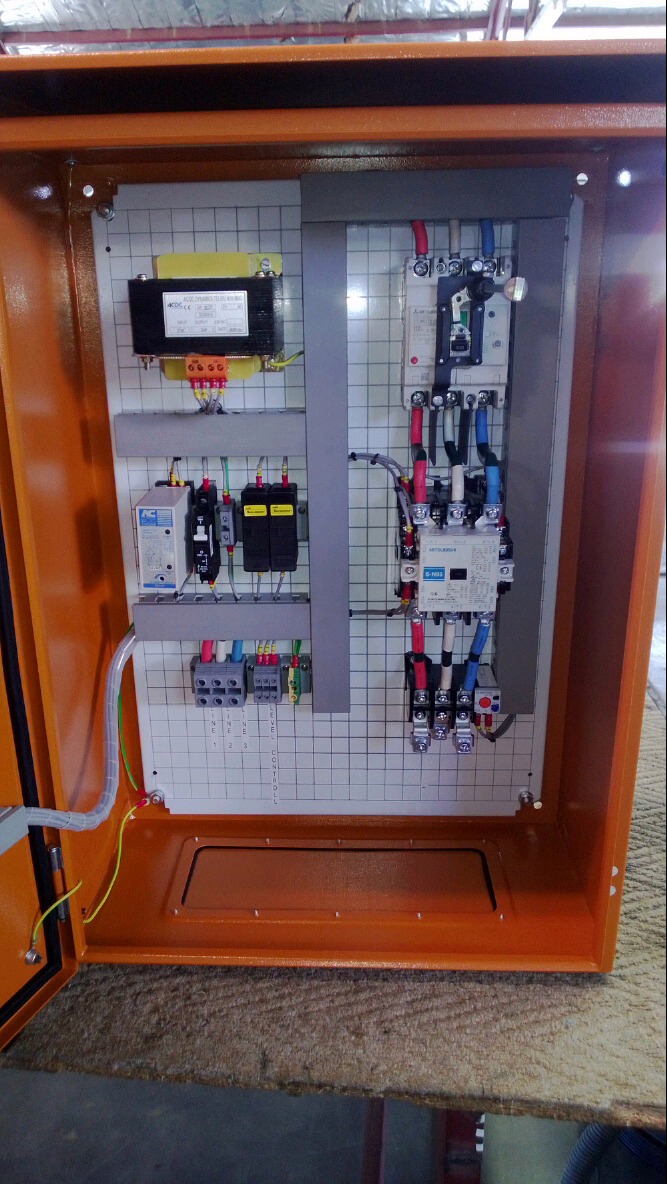
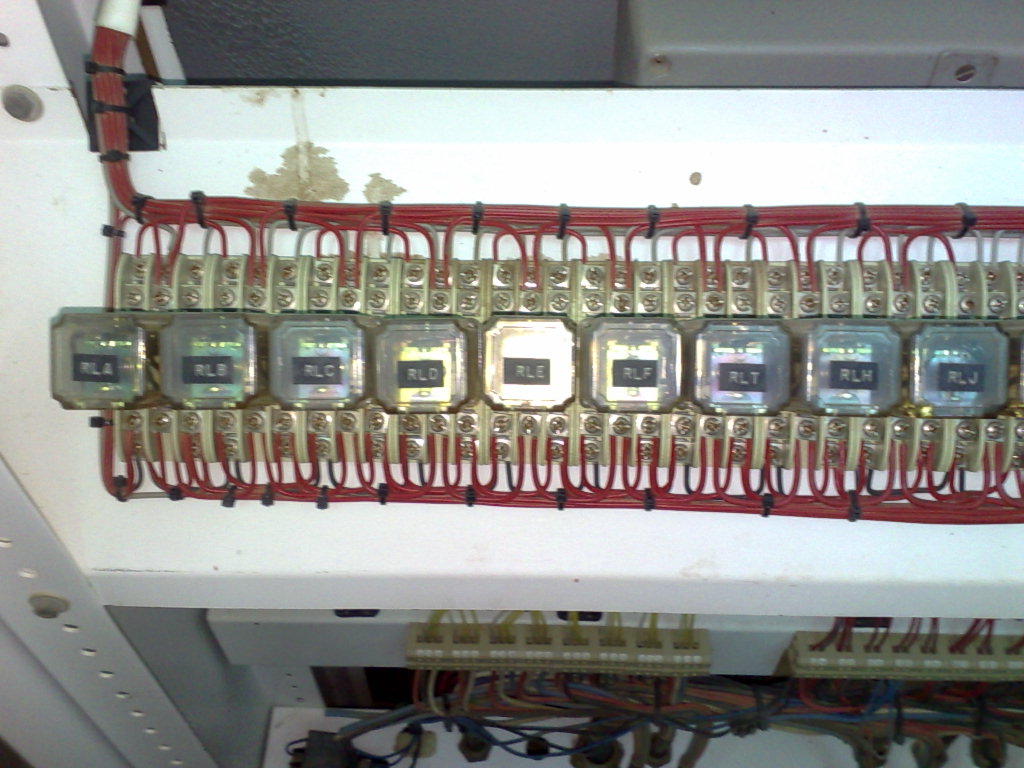
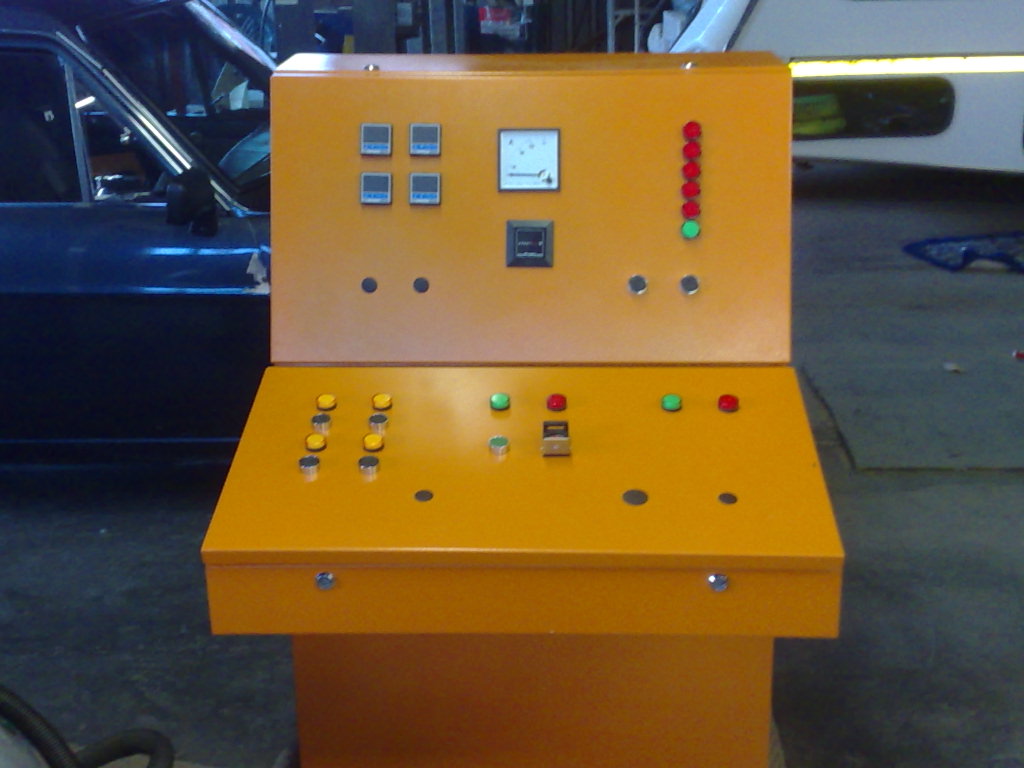
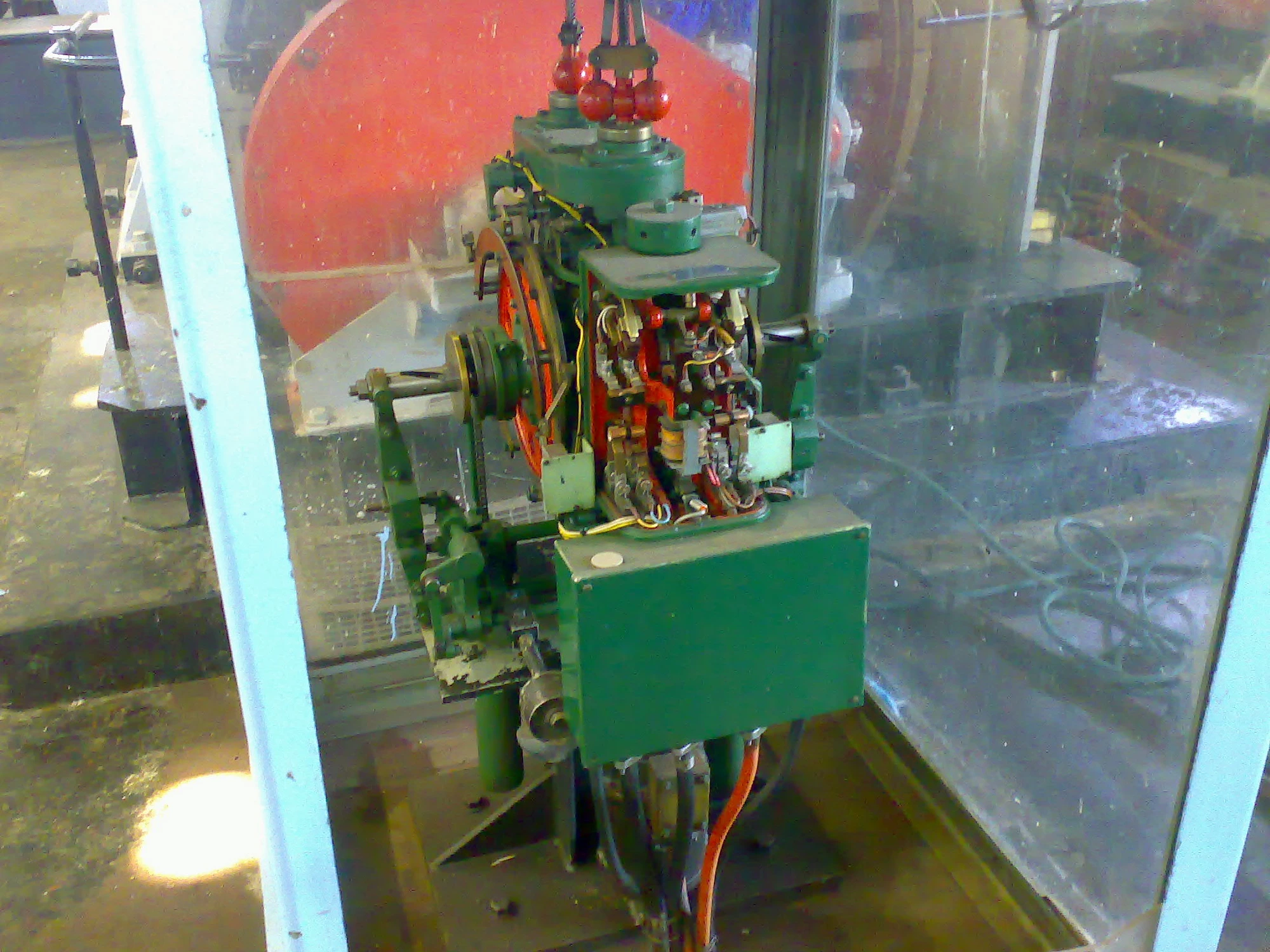
Welkom Winder Services completed the commissioning and startup of an existing Man Winder at Buffels 9 Shaft between June and August 2010. The project involved the systematic preparation, verification, testing and startup of the existing winder installation to support its safe transition into operational service. Commissioning an existing mine winder requires careful coordination between electrical, mechanical, braking, instrumentation, control and safety systems. Each critical system must be assessed and verified before progressively advancing toward dynamic operation. The project demonstrates Welkom Winder Services' specialist capability in mine winder commissioning and the safe return of existing winding infrastructure to operational service. Unlike commissioning completely new machinery, returning an existing winder to service requires careful assessment of existing equipment and systematic verification of the interaction between electrical, mechanical, braking, instrumentation, control and safety systems. Welkom Winder Services applied a structured commissioning approach to support the transition from static inspection and system verification through to operational startup. The project highlights the company's experience with existing mine winder infrastructure and its ability to provide specialised commissioning services within safety-critical mining environments.
Engineering Challenge
Recommissioning an existing mine winder presents a fundamentally different engineering challenge from commissioning newly installed equipment. Existing electrical, mechanical, control, braking and safety systems must be carefully assessed before the machinery is returned to operational service. The commissioning process requires a controlled progression from static inspection and electrical verification to dynamic testing and final operational startup. For a Man Winder, where the equipment is intended for personnel transportation, the integrity and correct operation of the associated safety systems are particularly important.
Solution Delivered
Applied a structured commissioning approach supporting the transition from static inspection and system verification through to operational startup, with systematic assessment of electrical, mechanical, braking, instrumentation, control and safety systems
Result
Successfully returned the Man Winder to operational service with verified safety systems, improved reliability and confirmed operational readiness
Scope of Services
What is Mine Winder Commissioning?
Mine winder commissioning is the structured engineering process used to verify that a winding installation and its associated electrical, mechanical, control, braking, instrumentation and safety systems are ready for operational service. For an existing winder, commissioning may involve additional inspection and testing because equipment condition, component deterioration and system integrity must be established following shutdown, refurbishment or extended periods of inactivity. Testing progresses systematically from static inspection and electrical verification to controlled movement, dynamic safety testing and final operational verification. This phased approach helps identify potential problems before the winder returns to normal operating duty.
Engineering Gallery
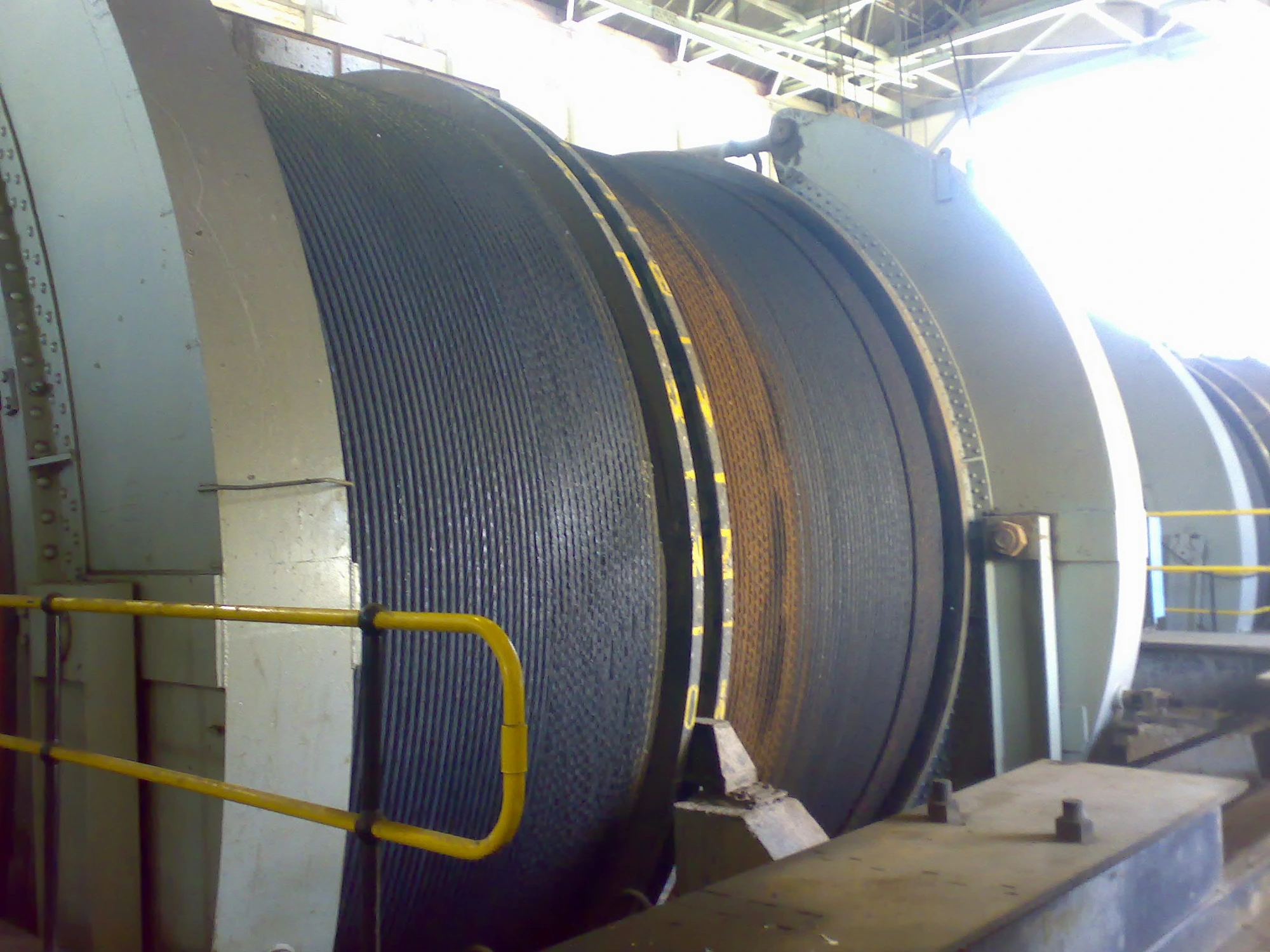
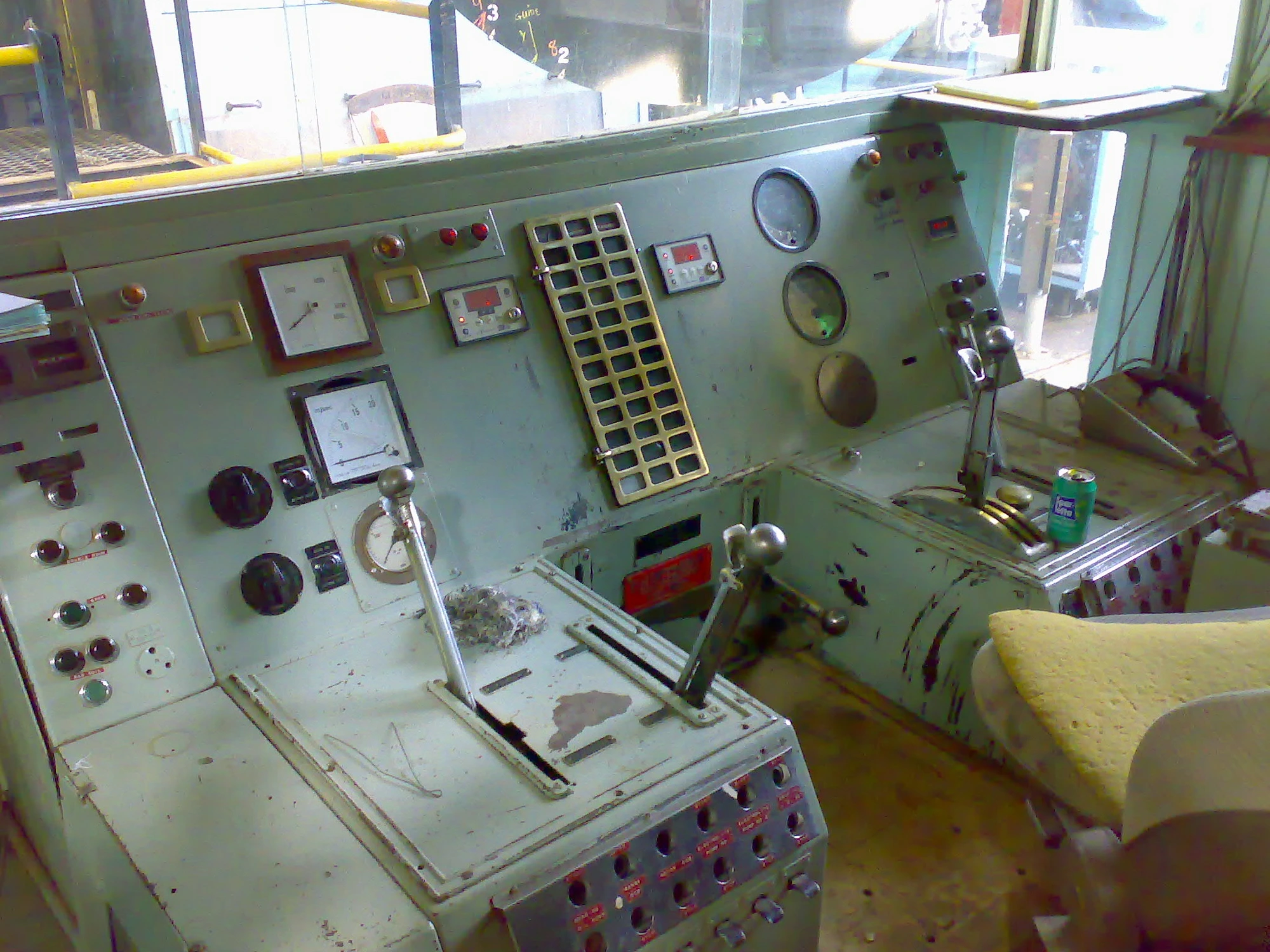
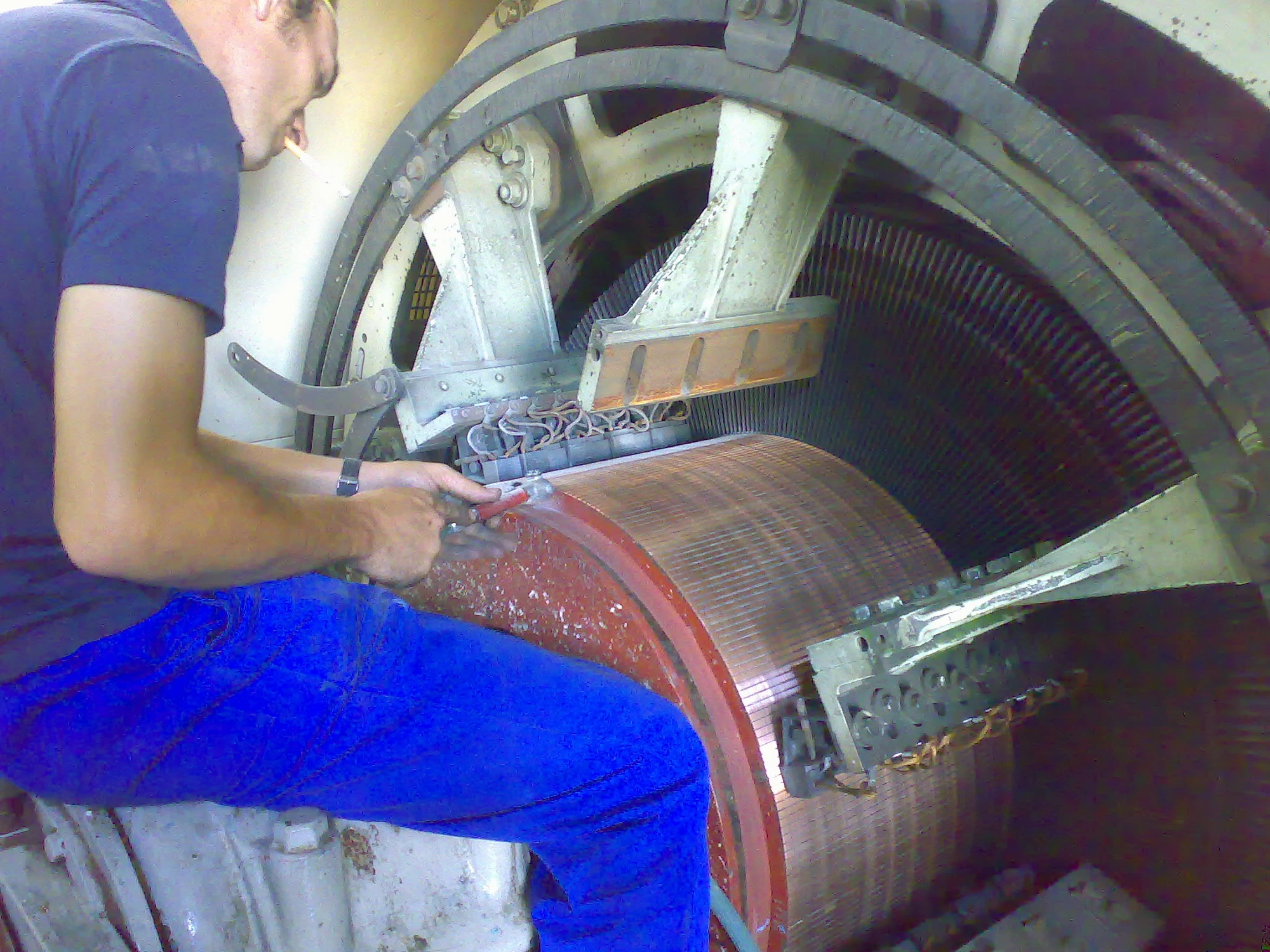
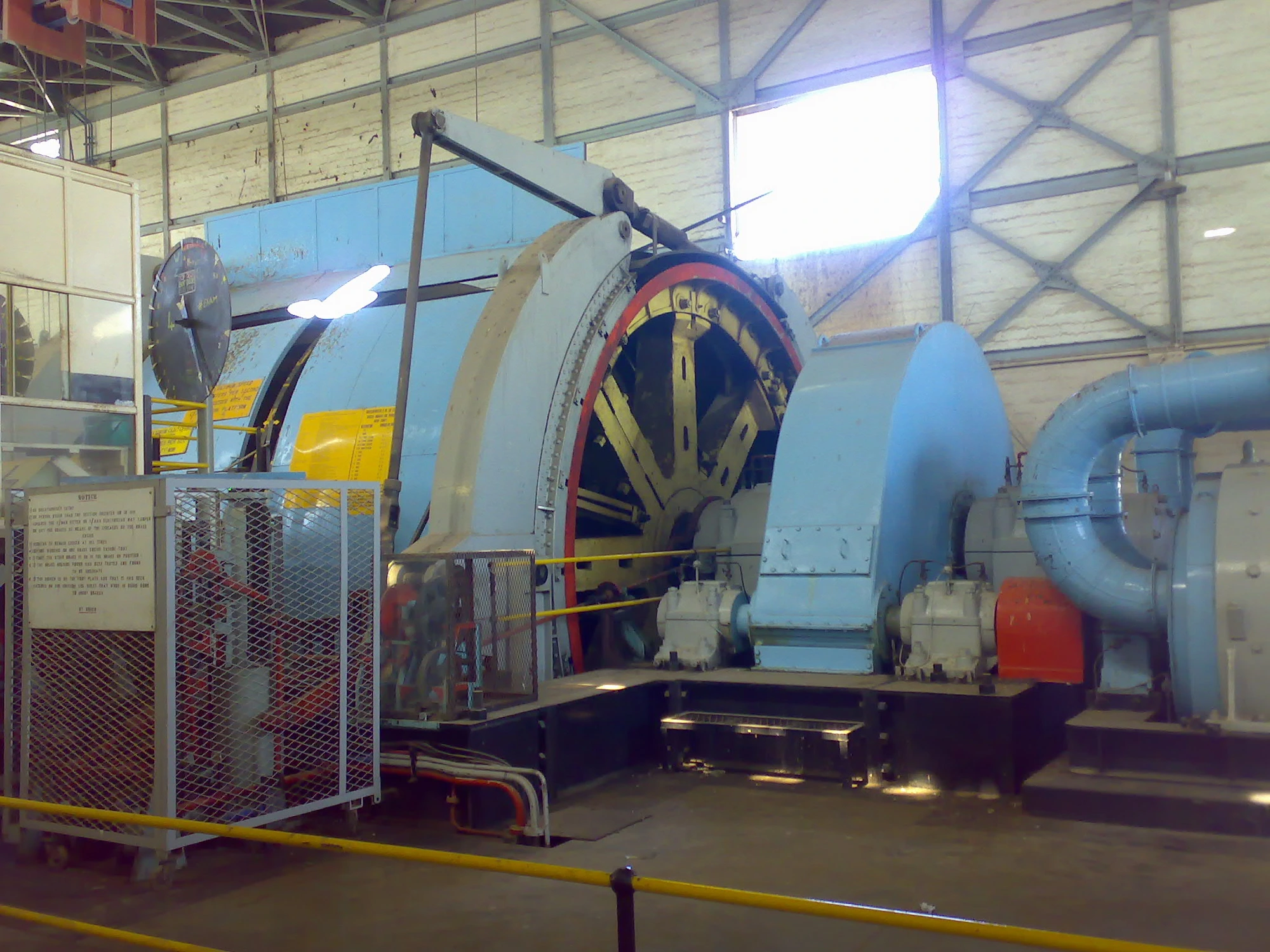
System Benefits
Structured Commissioning
A phased approach supports controlled progression toward operational service.
Safety-System Verification
Critical protection systems can be assessed before full operation.
Existing Asset Recovery
Supports the return of existing winding infrastructure to productive service.
Reduced Startup Risk
Systematic verification identifies potential issues before normal operations commence.
Integrated System Testing
Electrical, mechanical, control and safety systems are evaluated as an interconnected installation.
Operational Readiness
Final testing establishes confidence before the winder returns to service.
From Shutdown to Operational Readiness
The commissioning methodology follows a structured progression: Existing Winder assessment, through systematic Inspection, Electrical and Control Verification, Dynamic Testing, Safety Verification, Controlled Startup, to full Operational Service. This phased approach ensures each critical system is assessed and verified before the winder is returned to active duty.
Commissioning Methodology
Phase 01 — Physical Integrity
Pre-Commissioning & Inspection
Verification of the physical condition and readiness of the winder installation before electrical power and dynamic operation are introduced.
- Winder room and equipment condition
- Electrical enclosure cleanliness
- Structural inspection
- Foundation and mounting integrity
- Drum and clutch condition
- Hydraulic systems
- Lubrication systems
- Winding ropes
- Sheave condition
- General mechanical readiness
Phase 02 — Electrical Verification
Cold Commissioning
Verification of electrical, control, instrumentation and safety systems before normal winder movement.
- Insulation resistance testing
- Electrical continuity testing
- Motor winding verification
- Instrument loop checks
- Proximity sensor verification
- Temperature sensor verification
- Safety interlock checks
- Static brake testing
- Motor directional verification
Phase 03 — Controlled Movement
Hot Commissioning & Dynamic Testing
Progressive introduction of movement to verify how the mechanical, electrical and safety systems behave dynamically.
- Controlled winder rotation
- Bearing temperature monitoring
- Vibration monitoring
- Gear interaction assessment
- Dynamic brake testing
- Emergency trip simulations
- Slack-rope protection verification
- Overwind protection verification
- Rope coiling and tracking inspection
Phase 04 — Operational Readiness
Startup & Performance Verification
Final validation of the winder's ability to perform its intended operational function safely and reliably.
- Load testing
- Progressive operating-speed testing
- Full travel verification
- Overspeed protection verification
- Safety-system verification
- Final operational checks
- Commissioning documentation
- Handover to operations
Phase 01 — Physical Integrity
Pre-Commissioning & Inspection
Verification of the physical condition and readiness of the winder installation before electrical power and dynamic operation are introduced.
- Winder room and equipment condition
- Electrical enclosure cleanliness
- Structural inspection
- Foundation and mounting integrity
- Drum and clutch condition
Phase 02 — Electrical Verification
Cold Commissioning
Verification of electrical, control, instrumentation and safety systems before normal winder movement.
- Insulation resistance testing
- Electrical continuity testing
- Motor winding verification
- Instrument loop checks
- Proximity sensor verification
Phase 03 — Controlled Movement
Hot Commissioning & Dynamic Testing
Progressive introduction of movement to verify how the mechanical, electrical and safety systems behave dynamically.
- Controlled winder rotation
- Bearing temperature monitoring
- Vibration monitoring
- Gear interaction assessment
- Dynamic brake testing
Phase 04 — Operational Readiness
Startup & Performance Verification
Final validation of the winder's ability to perform its intended operational function safely and reliably.
- Load testing
- Progressive operating-speed testing
- Full travel verification
- Overspeed protection verification
- Safety-system verification
Safety-Critical Protection Systems
Braking Systems
Provide controlled stopping and secure holding of the winder.
Overwind Protection
Protects against conveyance movement beyond prescribed travel limits.
Overspeed Protection
Provides protective intervention where the winder exceeds permitted operating speed.
Slack-Rope Protection
Detects potentially unsafe rope conditions.
Instrumentation & Sensors
Provide operational feedback to the control and protection systems.
Emergency Trip Systems
Provide rapid protective shutdown when unsafe conditions are detected.