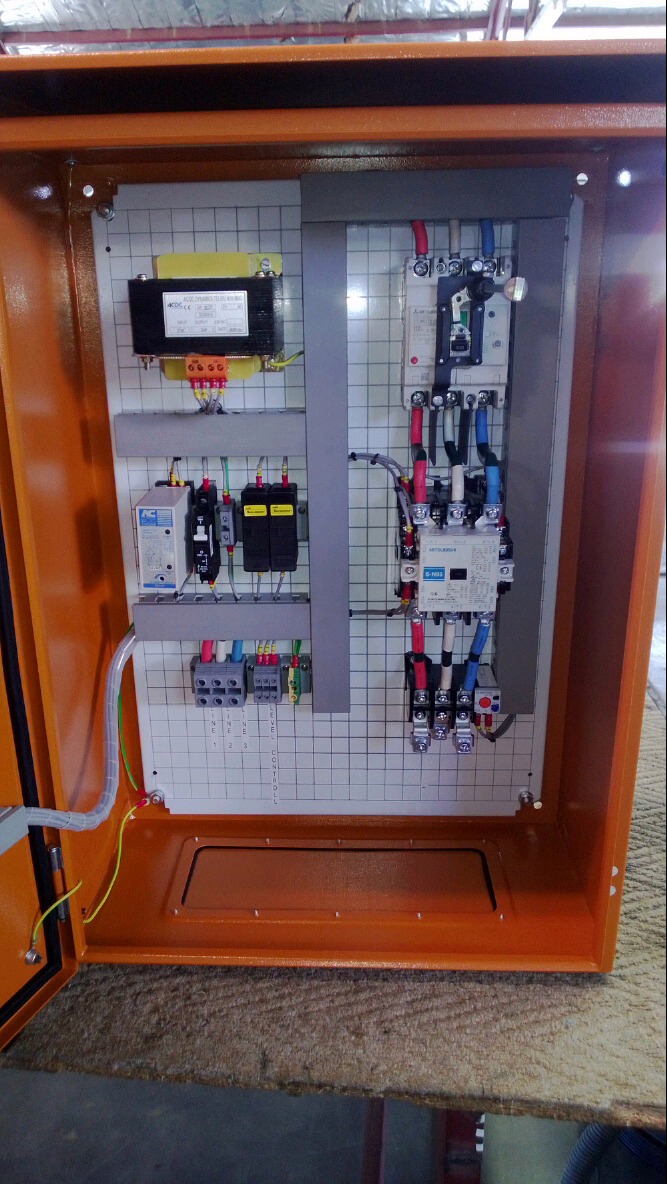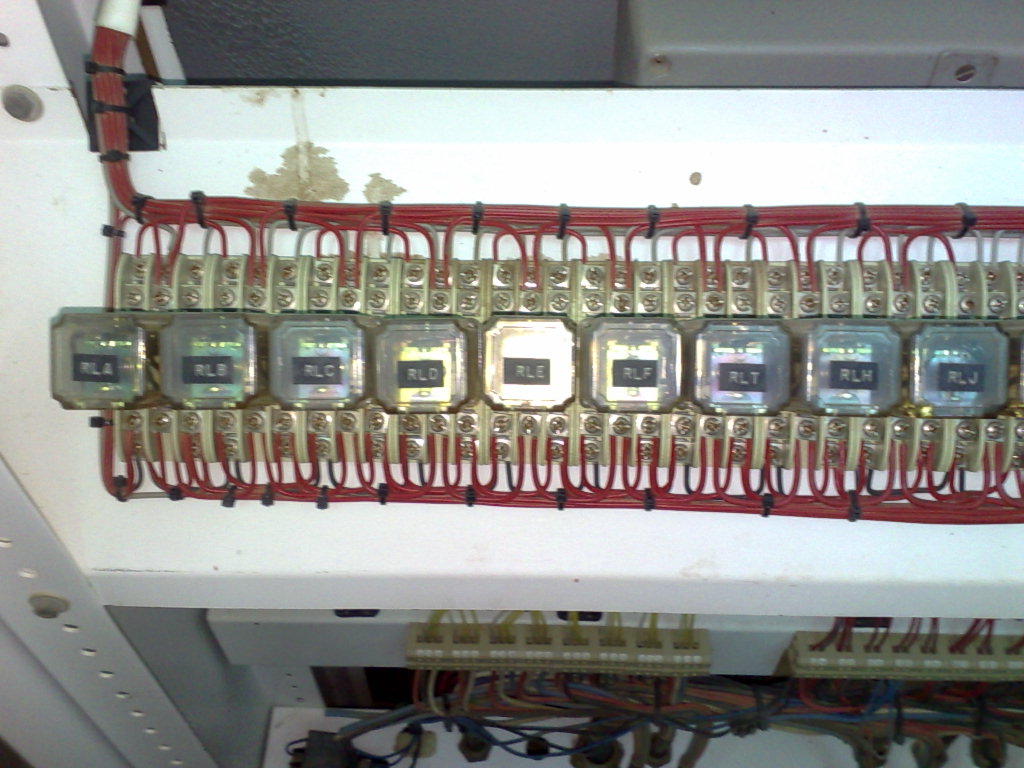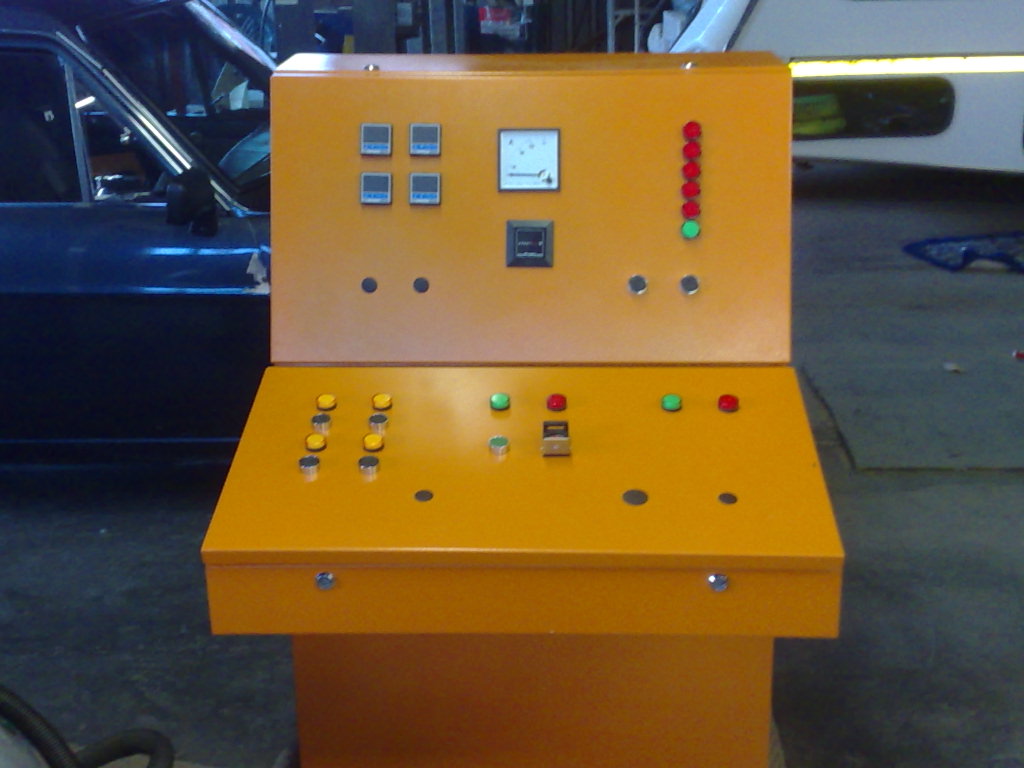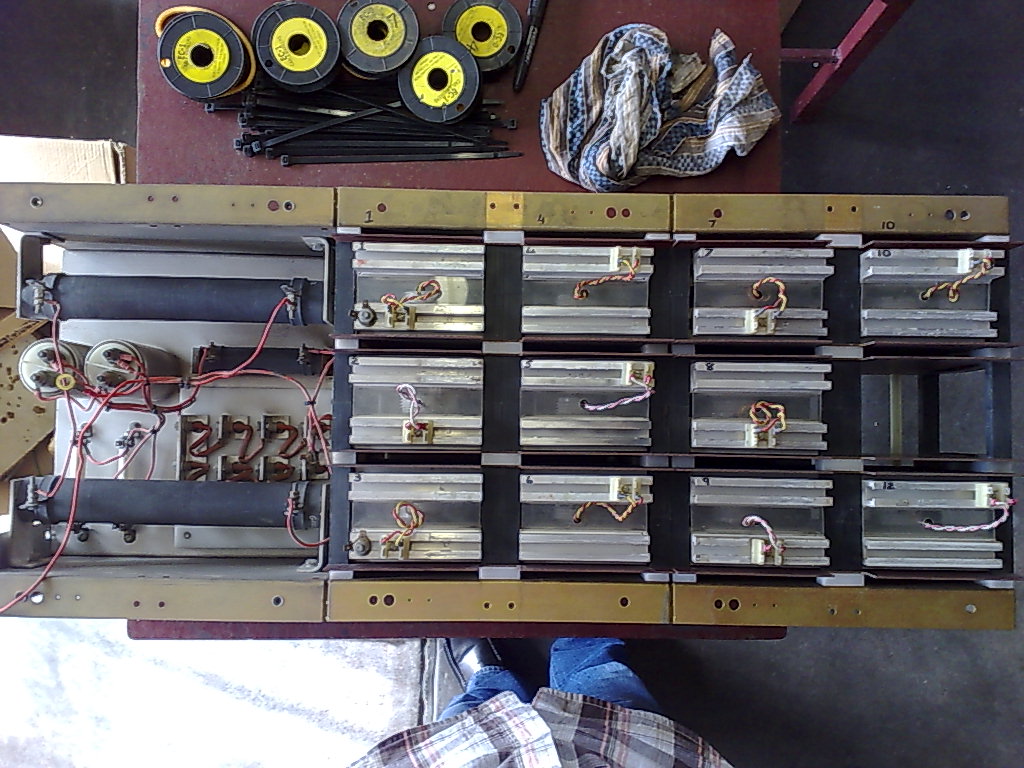
Freddies 9 Shaft
Winder Thyristor Stack Repairs
Project Overview
Since 2009, Welkom Winder Services has provided specialist repair and refurbishment support for mine winder thyristor stacks at Freddies 9 Shaft. Thyristor stacks form part of high-power electronic drive systems used to control the electrical power supplied to mine winder motors. Because these assemblies operate under substantial electrical and thermal loads, reliable operation depends on the condition of the semiconductor devices, electrical connections, cooling interfaces, firing circuits and associated protection components. The ongoing project demonstrates Welkom Winder Services' experience in specialised power-electronics diagnostics, repair and refurbishment for safety-critical mine winder drive systems.
Engineering Challenge
Thyristor stacks operate under substantial electrical currents and thermal loading. Small defects in semiconductor devices, firing circuits, protection networks, electrical contact surfaces or cooling interfaces can result in uneven current distribution, excessive heat or loss of reliable drive control. Successful refurbishment therefore requires a combination of electrical diagnostics, power-electronics expertise, mechanical precision and thermal management. This makes thyristor-stack repair a highly specialised engineering activity within mine winder maintenance.
Solution Delivered
Provided specialist thyristor stack repair, power-electronics diagnostics and refurbishment support for the mine winder drive system, addressing semiconductor condition, firing circuits, thermal interfaces and protection components
Result
Ongoing specialist power-electronics support since 2009, maintaining the reliability of critical mine winder drive equipment at Freddies 9 Shaft
Long-Term Client Partnership
Welkom Winder Services' involvement with thyristor-stack repair and support at Freddies 9 Shaft extends from 2009 to the present. This long-term involvement demonstrates specialised experience in maintaining legacy and existing power-electronics equipment associated with critical mine winder systems.
Scope of Services
What is a Winder Thyristor Stack?
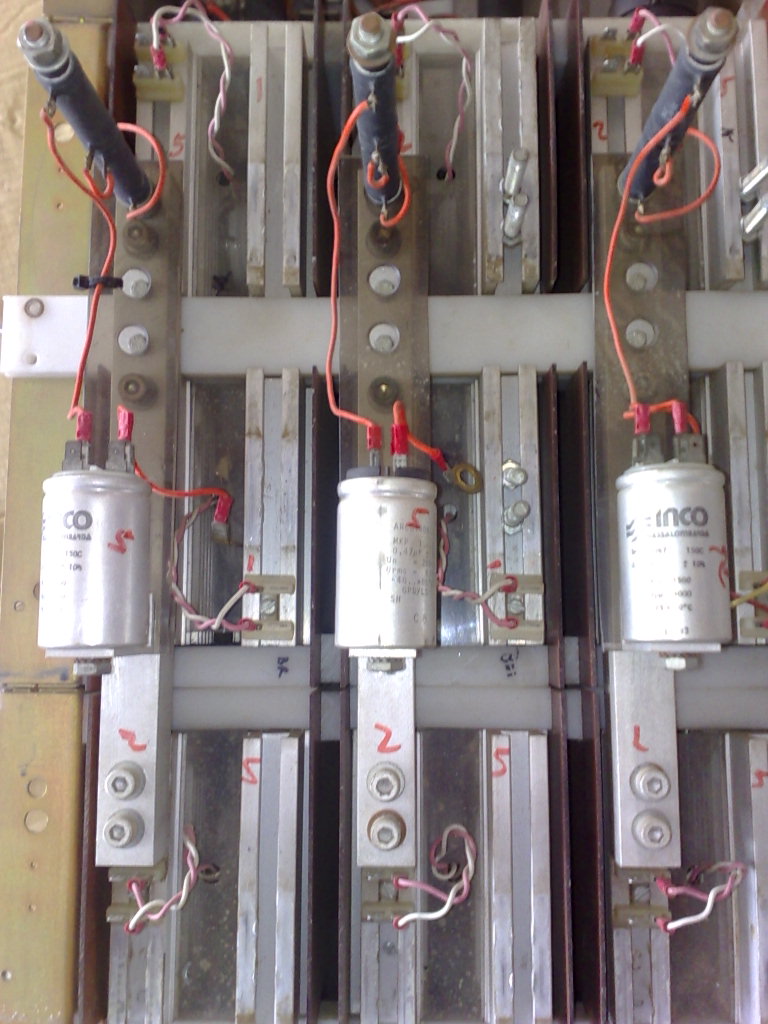
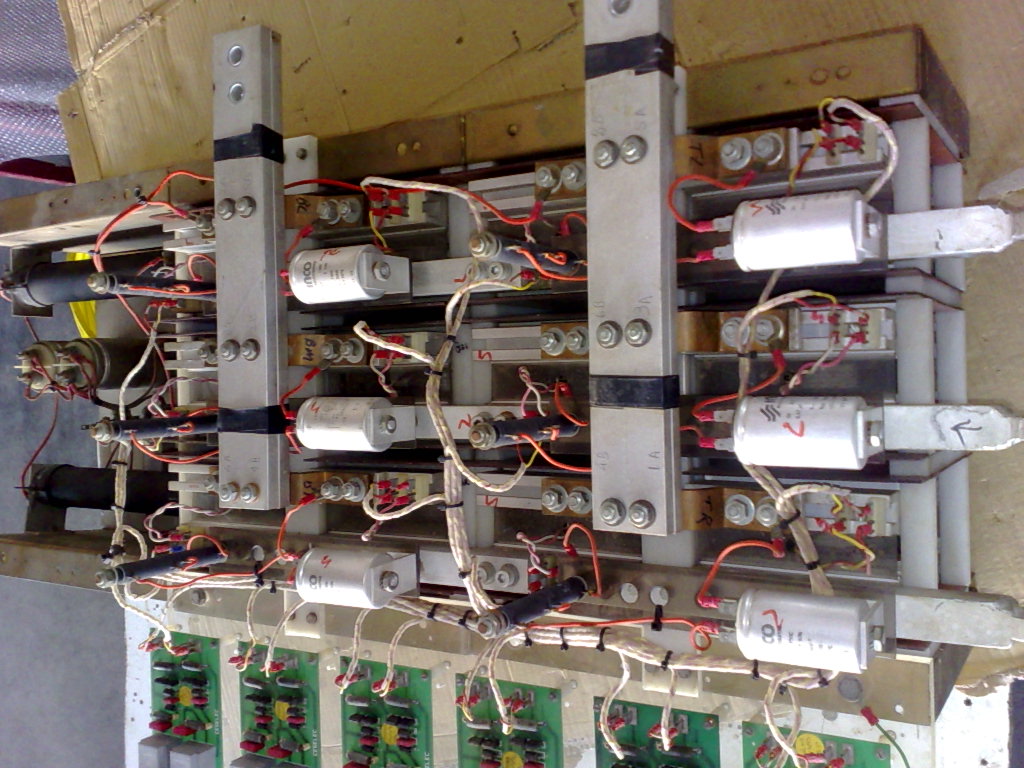
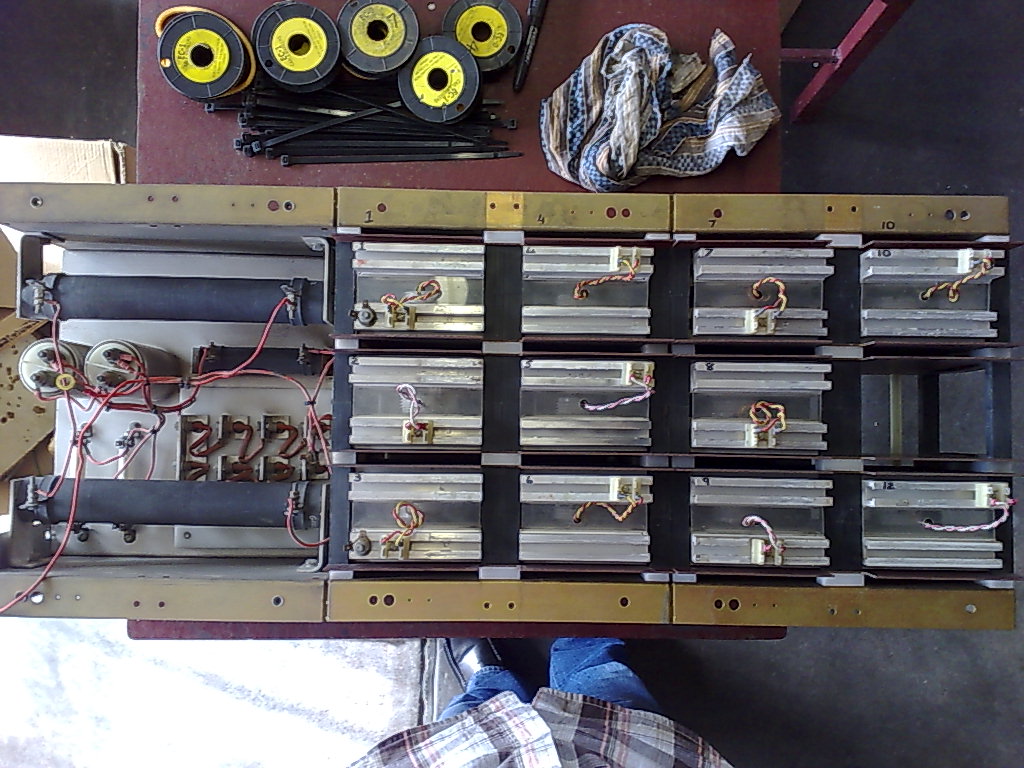
A thyristor stack is a high-power semiconductor assembly used within certain industrial motor-drive systems to control large electrical currents. The stack typically contains multiple Silicon-Controlled Rectifiers (SCRs), heat-dissipation components, electrical busbars, firing connections and protection circuitry arranged to control high-power electrical output. Within mine winder applications, these systems can form part of the power-conversion architecture responsible for controlling the drive motor. Because of the electrical and thermal energy involved, correct assembly, cooling and firing behaviour are essential to reliable operation.
Engineering Gallery
System Benefits
Specialist Power-Electronics Expertise
Supports complex high-power winder drive systems.
Improved Drive Reliability
Identifying and repairing failing components helps restore dependable operation.
Thermal Integrity
Correct heat transfer protects high-power semiconductor devices.
Fault Prevention
Diagnostic assessment can identify developing electrical problems before major failure.
Asset-Life Extension
Refurbishment can extend the useful service life of existing drive equipment.
Long-Term Technical Support
Ongoing involvement since 2009 demonstrates established WWS experience with thyristor-based winder systems.
Semiconductor Diagnostics
The semiconductor devices within a thyristor stack are fundamental to its operation. Diagnostic assessment of SCR devices can include electrical checks relating to blocking behaviour, leakage characteristics and gate-trigger response. Components showing signs of deterioration or failure may require replacement as part of a refurbishment programme.
Precision Stack Assembly
High-power puck-style semiconductor devices rely on controlled mechanical clamping to provide effective electrical and thermal contact between the semiconductor element and its associated heat-dissipation surfaces. Incorrect mechanical pressure can compromise heat transfer or electrical contact and may reduce component reliability. Stack refurbishment therefore requires careful attention to the physical assembly as well as the electrical components.
Restoring the Thermal Path
Efficient heat transfer is essential in high-power semiconductor assemblies. During refurbishment, contamination, corrosion or degraded thermal interfaces can be assessed so that heat generated by the semiconductor devices can be transferred effectively to the cooling surfaces. Appropriate refurbishment can include cleaning of conductive and heat-transfer surfaces and renewal of thermal-interface materials where required.
Precision Firing Control
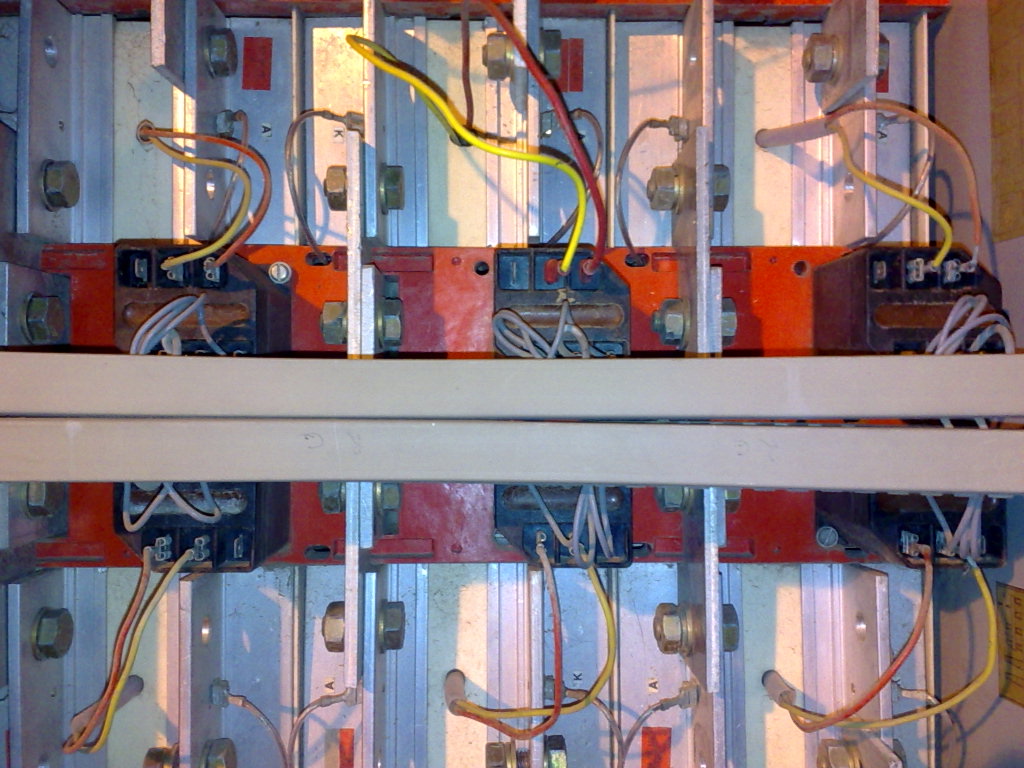
Thyristors require correctly timed gate signals to switch in the intended electrical sequence. Problems within firing circuits can result in devices switching incorrectly or failing to conduct as expected, potentially creating unbalanced electrical conditions. Diagnostic work on thyristor systems can therefore include assessment of firing circuits and associated isolation components.
- Gate-drive circuitry
- Pulse transmission
- Electrical isolation
- Firing symmetry
- Phase relationship
Protecting Semiconductors Against Electrical Transients
High-power semiconductor devices can be vulnerable to rapid voltage changes and electrical transients. Protection networks such as resistor-capacitor snubber circuits and surge-suppression components can be used to protect thyristor devices from damaging electrical conditions. Their condition forms an important part of broader power-electronics diagnostics.
Thyristor Stack Refurbishment Process
Thyristor stack refurbishment follows a structured engineering process to restore the electrical, mechanical and thermal integrity of the power-electronic assembly.
- 01 — Inspect: Electrical and physical assessment
- 02 — Diagnose: Identify faulty semiconductor, firing, protection or thermal components
- 03 — Disassemble: Controlled disassembly of the thyristor stack where required
- 04 — Refurbish: Restore electrical, mechanical and thermal integrity
- 05 — Reassemble: Precision stack assembly
- 06 — Test: Electrical and functional verification
- 07 — Return to Service: Restore the repaired equipment to operational support
Typical Modernisation Options
Older thyristor systems may sometimes be evaluated for upgrades during refurbishment. Potential options can include modern semiconductor equivalents where technically compatible, improved signal isolation methods between control electronics and high-power switching equipment, and enhanced environmental management such as improved filtration or cooling arrangements to help protect sensitive power electronics in dusty industrial environments.
Safety-Critical Protection Systems
Semiconductor Fuses
High-speed protection can limit damage when abnormal current conditions occur within the power-electronic assembly.
Thermal Protection
Temperature-related protection can help identify unsafe thermal conditions within the thyristor stack.
Current Balancing
Power-electronic assemblies require balanced electrical behaviour across semiconductor paths for reliable operation.
Firing Protection
Correct switching signals are essential for controlled and balanced power conversion within the drive system.
System Operation
Winder Control System
The winder control system determines the required electrical output and generates control signals for the power-conversion equipment.
Gate / Firing Signals
Precisely timed gate signals are transmitted to the thyristor devices, determining when each semiconductor switches to conduct electrical current.
Thyristor Stack
The thyristor stack uses high-power semiconductor devices to convert and control electrical energy according to the firing signals received.
Controlled Power Output
The thyristor stack delivers controlled high-power electrical output to the winder drive motor.
Winder Drive Motor
The drive motor converts electrical energy into mechanical energy, providing the force required for winder operation.
Controlled Winder Operation
The complete power-electronics chain enables smooth, controlled mine winder operation for the safe movement of personnel and materials.
Control
Winder Control System
The winder control system determines the required electrical output and generates control signals for the power-conversion equipment.
Trigger
Gate / Firing Signals
Precisely timed gate signals are transmitted to the thyristor devices, determining when each semiconductor switches to conduct electrical current.
Convert
Thyristor Stack
The thyristor stack uses high-power semiconductor devices to convert and control electrical energy according to the firing signals received.
Power
Controlled Power Output
The thyristor stack delivers controlled high-power electrical output to the winder drive motor.
Drive
Winder Drive Motor
The drive motor converts electrical energy into mechanical energy, providing the force required for winder operation.
Output
Controlled Winder Operation
The complete power-electronics chain enables smooth, controlled mine winder operation for the safe movement of personnel and materials.
Signs a Thyristor Stack Requires Investigation
Irregular Current Behaviour
Abnormal current waveforms can indicate a thyristor device or firing circuit that is not operating correctly.
Repeated Semiconductor Fuse Operation
Repeated fuse failures can indicate an underlying electrical or semiconductor problem requiring investigation.
Thermal Hot Spots
Significant temperature differences across a thyristor assembly can indicate poor thermal transfer, uneven loading or developing component problems.
Supporting Winder Power Electronics Since 2009
Welkom Winder Services’ involvement with thyristor-stack repair and support at Freddies 9 Shaft extends from 2009 to the present. This long-term involvement demonstrates specialised experience in maintaining legacy and existing power-electronics equipment associated with critical mine winder systems.