President Steyn 2 Shaft
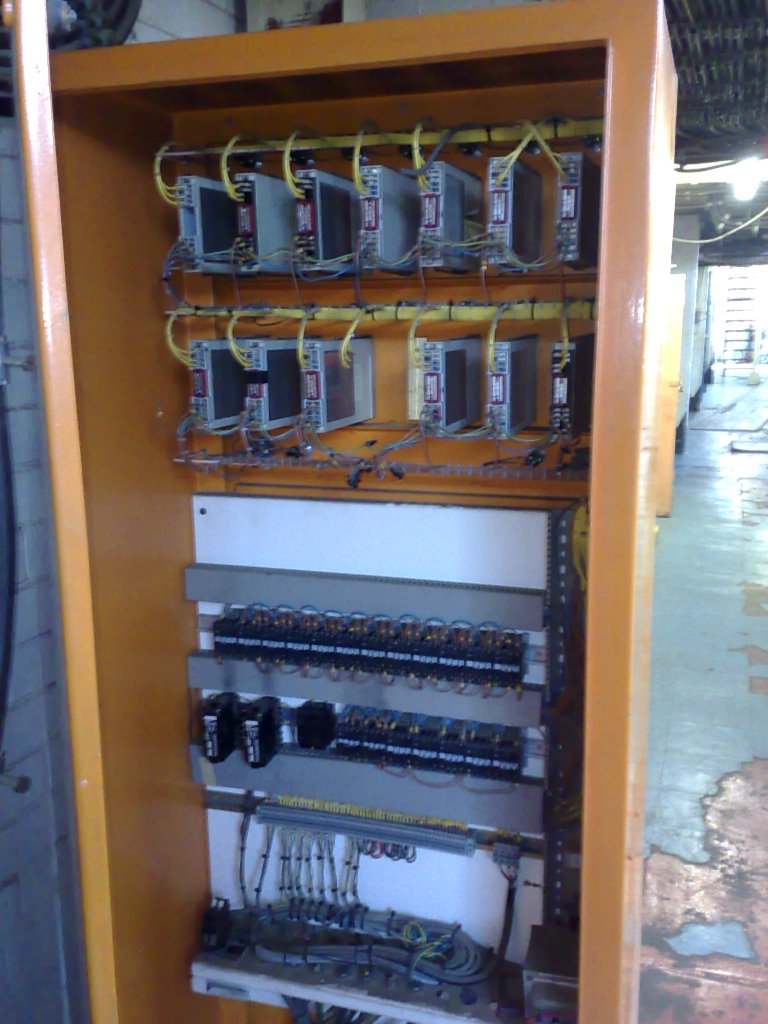
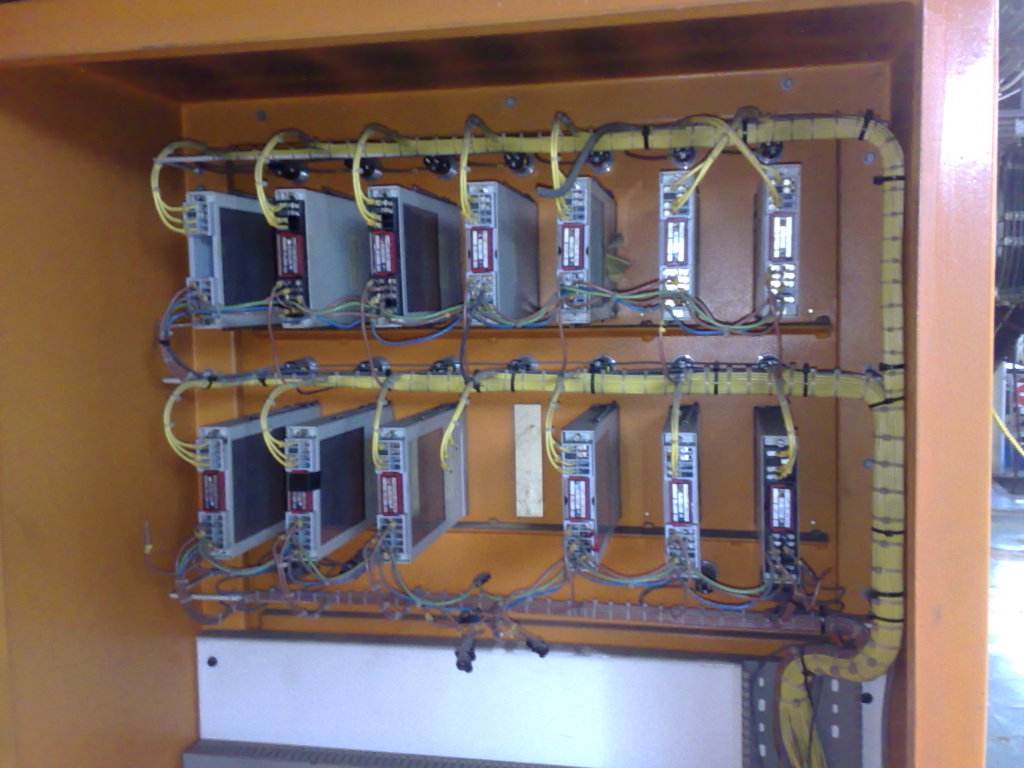
Bearing Temperature Monitoring Panel
Project Overview
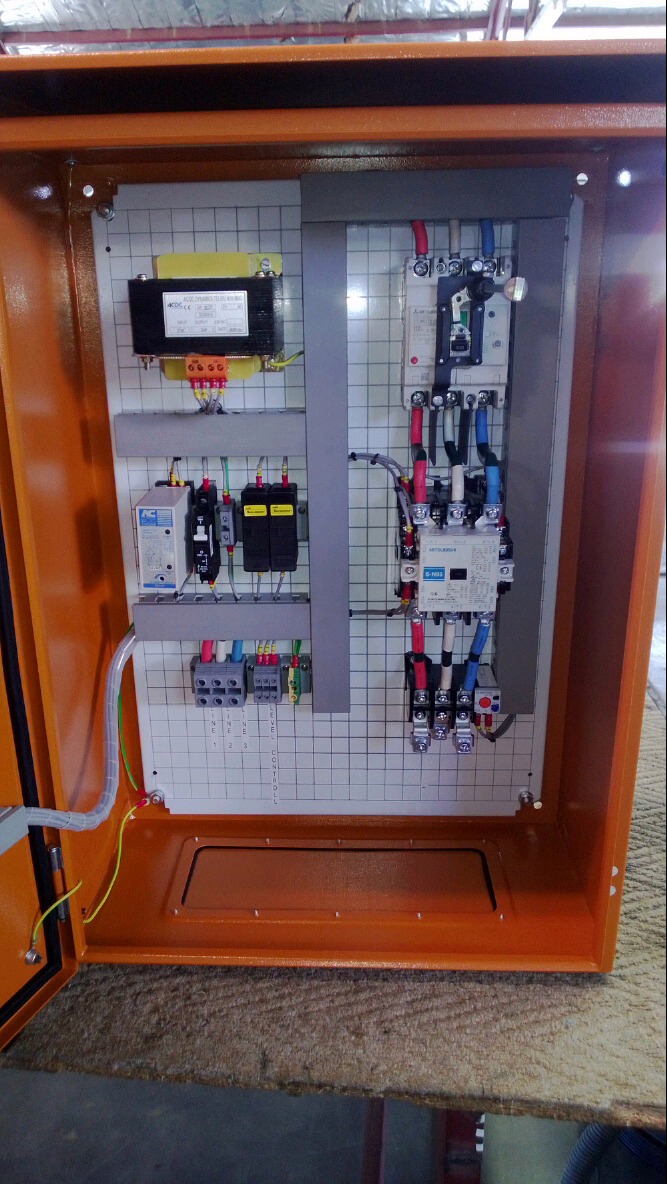
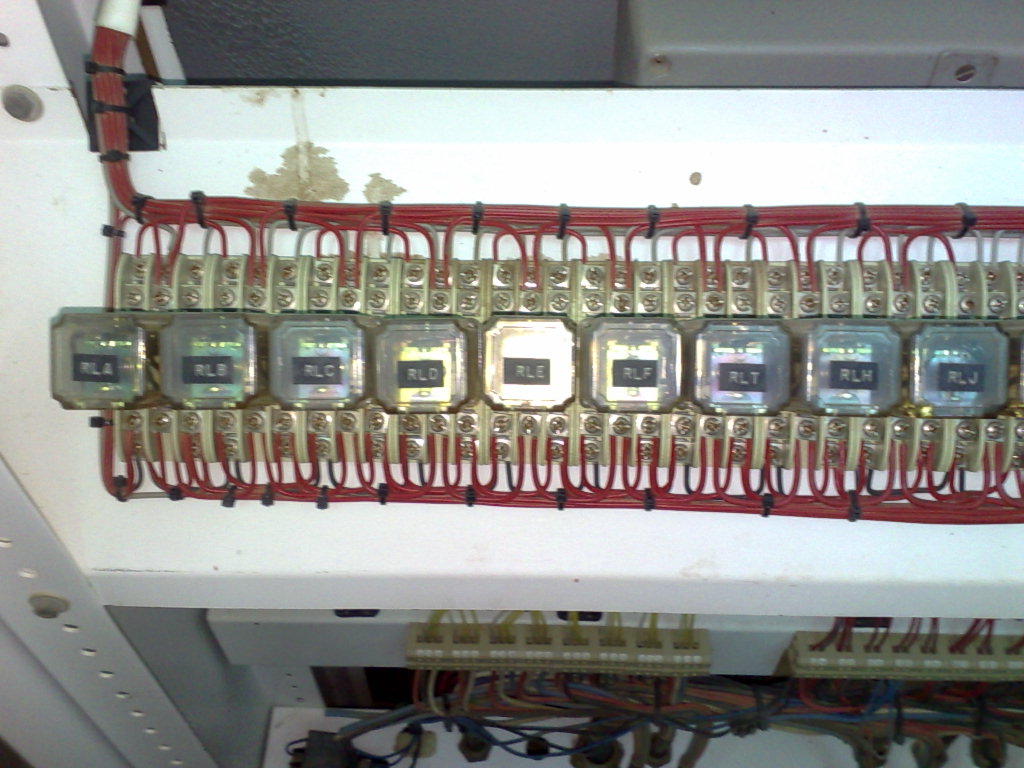
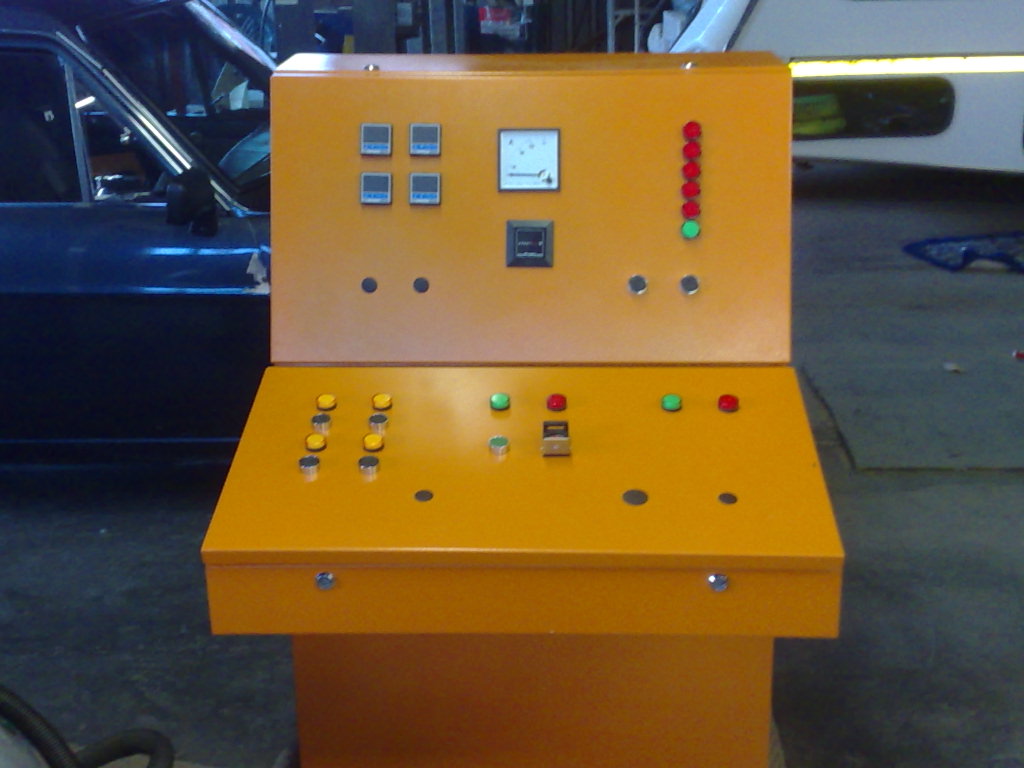
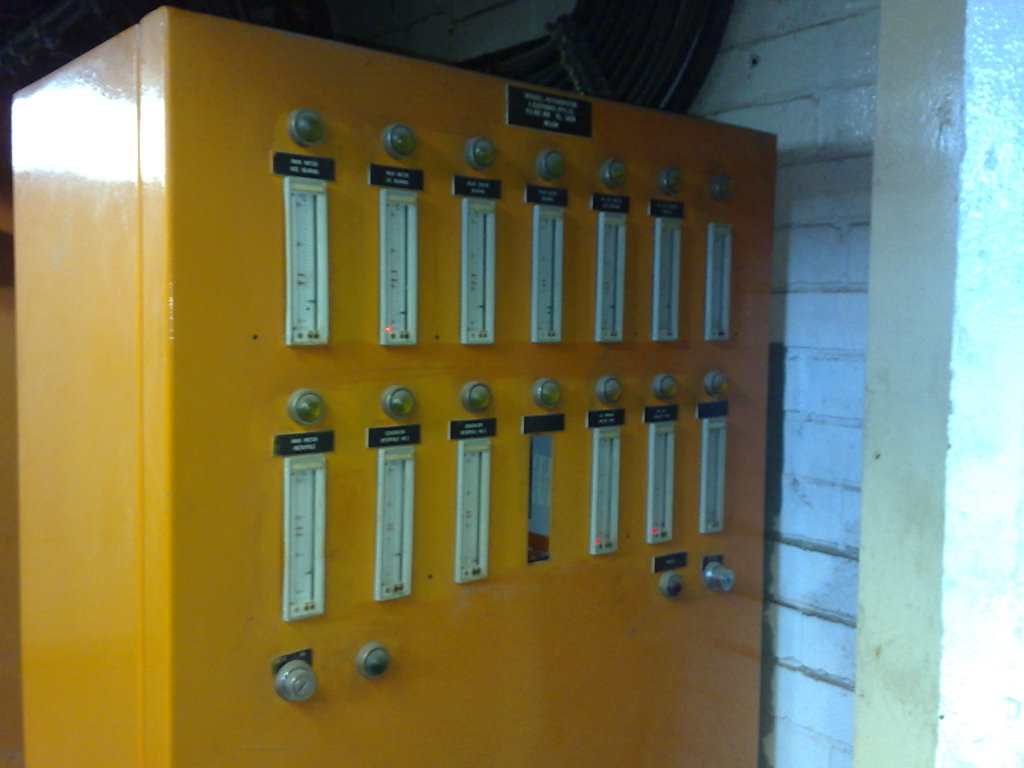
Since 2006, Welkom Winder Services has provided bearing temperature monitoring panel solutions and ongoing support at President Steyn 2 Shaft. The system is associated with the continuous monitoring of critical bearing temperatures on mine winder equipment, providing operators and maintenance personnel with important information about the thermal condition of rotating machinery. Abnormal increases in bearing temperature can provide an early indication of developing conditions such as lubrication problems, excessive friction, mechanical loading or bearing deterioration. By monitoring these temperatures, developing problems can be identified before they progress into serious equipment damage or potentially hazardous operating conditions. This long-running project demonstrates Welkom Winder Services' experience in condition monitoring and safety-related protection systems for critical mine winder infrastructure.
Engineering Challenge
Bearing deterioration does not always result in immediate equipment failure. Developing problems may first appear as relatively small changes in operating temperature. Without appropriate monitoring, these changes can remain unnoticed until overheating becomes severe enough to damage the bearing, lubrication system or associated rotating equipment. Temperature monitoring provides an important early-warning mechanism by allowing abnormal thermal behaviour to be identified before a developing condition becomes critical.
Solution Delivered
Provided bearing temperature monitoring panel solutions and ongoing engineering support, enabling continuous monitoring of critical winder bearing temperatures with alarm and protection integration to support early detection of abnormal operating conditions
Result
Long-term condition monitoring capability since 2006, supporting early fault detection, winder protection and informed maintenance decisions at President Steyn 2 Shaft
Long-Term Client Partnership
Welkom Winder Services' involvement with bearing temperature monitoring at President Steyn 2 Shaft extends from 2006 to the present. This long-running involvement demonstrates sustained experience in monitoring and protecting critical rotating equipment within demanding underground mining operations.
Scope of Services
What is a Winder Bearing Temperature Monitoring Panel?
A winder bearing temperature monitoring panel is a dedicated condition-monitoring system designed to continuously measure and display the operating temperatures of critical bearings within mine winder equipment. Bearing temperature is one of the most practical and widely used indicators of bearing health because changes in bearing condition — such as increased friction, inadequate lubrication, contamination or progressive mechanical wear — typically produce measurable increases in operating temperature before other symptoms become externally apparent. The monitoring panel receives temperature signals from sensors installed at critical bearing locations and presents this information to operators, enabling continuous condition awareness. When bearing temperatures deviate from established normal operating ranges, the system can generate warnings to alert personnel and support protective intervention before a developing condition becomes critical.
Engineering Gallery
System Benefits
Early Fault Detection
Temperature changes can provide early indications of developing bearing problems.
Winder Protection
Early intervention can help prevent more serious damage to critical rotating machinery.
Reduced Unplanned Downtime
Developing problems can be investigated before they result in unexpected equipment failure.
Condition-Based Maintenance
Thermal information supports more informed maintenance decisions.
Improved Operational Awareness
Continuous monitoring provides greater visibility into equipment condition.
Safety Support
Monitoring critical bearing condition contributes to the broader protection of safety-critical mine winder infrastructure.
Continuous Thermal Awareness
A bearing temperature monitoring panel provides operators and maintenance personnel with continuous visibility of the thermal condition of critical rotating components. Instead of relying solely on periodic manual checks, temperature information can be monitored continuously so that abnormal conditions can be recognised earlier. This provides an important additional layer of condition awareness for high-value rotating machinery such as mine winders.
Progressive Temperature Response
Bearing temperature monitoring systems can typically support a progressive response approach. During normal operation, temperatures remain within established operating ranges. When temperatures begin to deviate from these ranges, a warning condition can alert operators to investigate. If temperatures continue to rise toward critical levels, protective action may be required. This progressive approach — from normal operation through warning to protective response — provides operators with an opportunity to intervene before conditions become critical.
- Normal — Temperature within expected operating range
- Warning — Abnormal temperature condition detected
- Critical — Protective action may be required
Temperature Trends Tell the Story
Effective condition monitoring involves more than detecting a single high-temperature event. Tracking how bearing temperature changes over time can provide insight into developing mechanical conditions. A gradual change from the equipment’s established operating behaviour can help maintenance personnel identify deterioration before a critical temperature threshold is reached.
Typical Bearing Temperature Sensor Technology
Industrial bearing temperature monitoring systems can use precision temperature sensors installed at or near critical bearing locations. Depending on the equipment design, technologies such as resistance temperature detectors or thermistors can be used to provide temperature measurements to the monitoring system. The sensor provides an electrical signal proportional to bearing temperature, which the monitoring panel converts into a readable temperature value for operator display and system integration.
Sensor Redundancy in Critical Applications
Safety-critical rotating machinery can employ redundant temperature sensing arrangements so that monitoring capability can be maintained if an individual sensing circuit develops a fault. Duplex temperature probes are one example of how redundancy can be incorporated into industrial bearing-monitoring architecture.
System Operation
Winder Bearing
Critical rotating component within the mine winder, subject to sustained mechanical loading, heat generation and environmental stress during continuous operation.
Temperature Sensing
Temperature sensors installed at critical bearing locations continuously measure the thermal condition of the rotating machinery.
Monitoring Panel
The bearing temperature monitoring panel receives, processes and displays temperature data, providing operators with continuous condition awareness.
Temperature Condition
Measured temperatures are assessed against established normal operating ranges to identify whether the bearing is operating within expected parameters.
Early Warning
When temperatures deviate from normal operating ranges, the system can generate warnings to alert operators and maintenance personnel to a potential developing condition.
Maintenance Intervention
Condition information supports planned maintenance action before a developing problem progresses into serious equipment damage or operational disruption.
Equipment Protection
Early detection and timely intervention help protect the mine winder from bearing damage, extending equipment life and supporting continued safe operation.
Source
Winder Bearing
Critical rotating component within the mine winder, subject to sustained mechanical loading, heat generation and environmental stress during continuous operation.
Measure
Temperature Sensing
Temperature sensors installed at critical bearing locations continuously measure the thermal condition of the rotating machinery.
Process
Monitoring Panel
The bearing temperature monitoring panel receives, processes and displays temperature data, providing operators with continuous condition awareness.
Assess
Temperature Condition
Measured temperatures are assessed against established normal operating ranges to identify whether the bearing is operating within expected parameters.
Alert
Early Warning
When temperatures deviate from normal operating ranges, the system can generate warnings to alert operators and maintenance personnel to a potential developing condition.
Respond
Maintenance Intervention
Condition information supports planned maintenance action before a developing problem progresses into serious equipment damage or operational disruption.
Protected
Equipment Protection
Early detection and timely intervention help protect the mine winder from bearing damage, extending equipment life and supporting continued safe operation.
Typical Condition-Monitoring Architecture
Supporting Winder Condition Monitoring Since 2006
Welkom Winder Services’ involvement with bearing temperature monitoring at President Steyn 2 Shaft extends from 2006 to the present. This long-running involvement demonstrates sustained experience in monitoring and protecting critical rotating equipment within demanding underground mining operations.